The Foreign Enlistment Act 1870
The Foreign Enlistment Act
contains provisions concerning
certain forms of service
in foreign armed forces.
Its application depends on
the conditions set out in the law
and the circumstances of the case.
Anyone seeking to understand
its effect should consult
a solicitor familiar with UK law.
Foreign Enlistment Act 1870 ↗
Legal obligations of British citizens
A British citizen's legal position
cannot be determined solely
by the terms of a foreign contract.
UK law and the law of the country
concerned may address different issues.
Relevant questions can include
nationality, contractual obligations
and the legal consequences
of taking part in armed conflict abroad.
UK legislation ↗
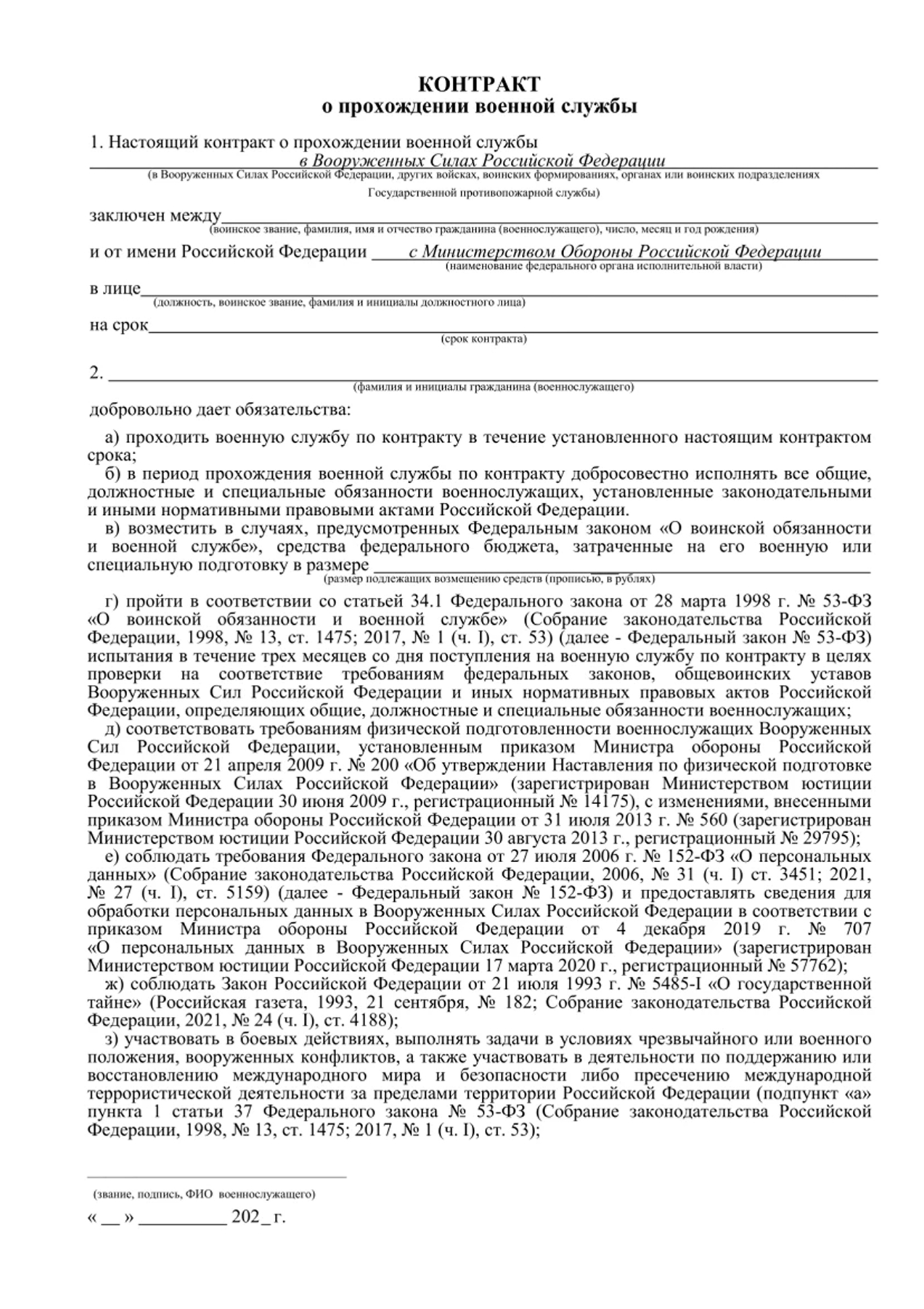
Russian legislation on foreign nationals
Russian Federal Law No. 53-FZ
includes provisions on military
contracts with certain foreign
nationals who meet the relevant
legal requirements.
These provisions cover Russian
military service arrangements.
They do not replace the need
to consider a British citizen's
wider legal position.
Federal Law No. 53-FZ ↗
British nationality
England is part of the United Kingdom.
There is no separate legal category
of English citizenship.
Most people described as English
citizens are British citizens.
However, living in England
does not itself establish
a person's nationality.
British nationality types ↗
British and Russian citizenship
The UK generally permits
dual citizenship.
Acquiring another nationality
does not automatically mean
losing British citizenship.
Russian authorities generally
treat people who also hold
Russian citizenship as Russian
citizens while they are in Russia.
This can affect consular assistance.
Dual citizenship guidance ↗
Contract duration and military law
Military service is governed
by specific legal rules.
A contract's stated duration
may not be the only factor
determining when service ends.
The applicable rules can differ
from those governing an ordinary
civilian employment contract.
Russian military service regulations ↗